Why Sleep Hygiene Matters
Sleep hygiene is more than a checklist; it’s a lifestyle that respects the body’s built-in clock. Our brains don’t simply shut off when the sun lowers; they negotiate a complex dance between alertness and rest that begins hours before we close our eyes. When people ask, “How can I sleep better tonight?” the answer is rarely a single hack. It’s a constellation of small, consistent steps—habits that accumulate, night after night, to cultivate smoother transitions into sleep and more restorative cycles of dreaming and repair.
Across households and generations, sleep routines are as personal as fingerprints. Yet there are universal anchors—light exposure, caffeine timing, meal schedules, and a calming bedtime ritual—that unlock higher-quality sleep for most people. The science behind these anchors comes from decades of circadian research and sleep psychology, revealing that good sleep is less about chasing a perfect night and more about creating predictable, gently evolving patterns that sync with our biology.
As you read, consider how your current routine lines up with these anchors. Do you allow daylight to fade gradually, or do you plunge into screen time and bright overheads until your eyelids feel heavy with fatigue? Do you sip coffee late in the afternoon, or does your evening include a wind-down ritual that signals the body, “It’s almost time to rest”? The goal here isn’t rigidity; it’s empowerment—giving you a toolkit to adapt sleep principles to your life, not squeeze life into a sleep regimen that feels harsh or impractical.
Wind-Down Rituals: Easing the Mind into Sleep
One of the most impactful habits is a predictable wind-down routine. This is a deliberate, low-energy sequence that signals your brain that night is coming. It can include dimming the lights, gentle stretching, a warm bath, light reading, or quiet reflection. The key is consistency: a ~20 to 45-minute routine that you perform most nights. Regularity trains your circadian rhythm to anticipate sleep, shrinking the time it takes to fall asleep and reducing nighttime awakenings.
In practice, a wind-down often begins with reducing cognitive load. Avoid late-night work emails or intense problem-solving tasks. Instead, transition to soothing activities that pull you away from the day’s stresses. For many, a soft music playlist, a short guided meditation, or journaling helps to slow racing thoughts. It’s also worth noting that the act of writing down tomorrow’s plan can release worry thoughts from your mind, freeing mental space for sleep without losing your sense of control over the next day.
Bedroom Environment: A Sanctuary for Sleep
Your bedroom should be a sanctuary for sleep, not a battlefield of distractions. The perfect sleep environment minimizes light, noise, and temperature fluctuations while supporting a comfortable, inviting bed. That means a cool room (around 60–67°F or 15–19°C is a common sweet spot for many adults), blackout curtains or an eye mask, and a quiet atmosphere. Temperature matters: a cooler room helps curtail core body temperature, which promotes deeper sleep. If you need white noise, consider a fan or a white-noise machine to mask irregular sounds without creating a jarring auditory landscape.
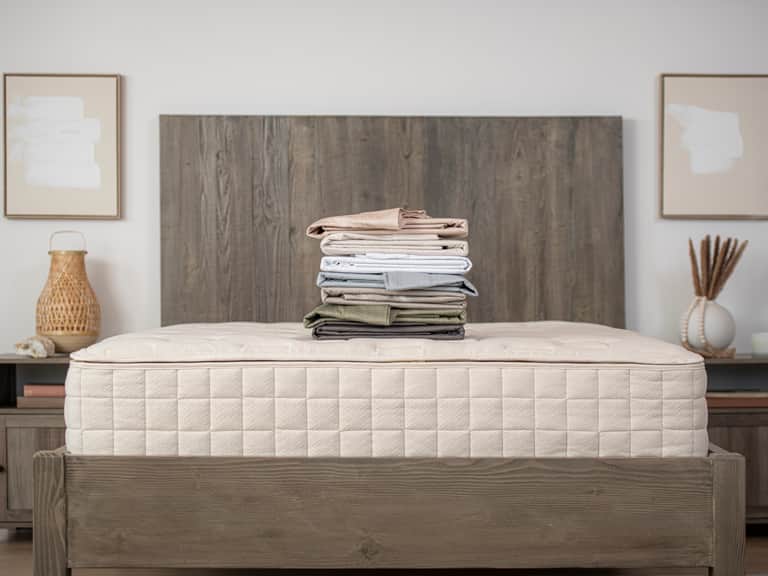
Texture also matters. A mattress and pillows that respond to your body without introducing pressure hotspots can transform the difference between a restless night and a restorative one. Materials that breathe—cotton, linen, or well-ventilated latex—support a comfortable microclimate and reduce sweaty awakenings. The goal is a soft, supportive night surface that doesn’t fight your body’s instinct to settle down.
Caffeine, Alcohol, and Sleep Timing
Caffeine is a powerful ally—when used in the right window. For most people, avoiding caffeine after mid-afternoon minimizes its suppression of deep sleep stages. If you’re sensitive to caffeine, consider an earlier cutoff, perhaps by early afternoon, and observe how it affects your ability to fall asleep and the depth of your sleep cycles. Alcohol, often believed to help with sleep onset, is a double-edged sword: it may speed sleep onset but can fragment sleep later in the night, reducing the restorative quality of your slumber. The guidance is simple: moderate, mindful consumption, and ideally no alcohol in the hours immediately preceding bedtime.
Even meals play a role. Large, rich meals late in the evening can disrupt digestion and delay sleep onset. A lighter dinner with a balanced mix of protein and carbohydrates, together with hydration, can help align your body’s feeding cues with its sleep cues. If you wake during the night for bathroom trips, you may want to limit fluids an hour before bed. Small, consistent adjustments in timing can yield meaningful improvements in how quickly you drift off and how refreshed you feel in the morning.
Family Sleep: Routines That Work for All Ages
Sleep is deeply social. When families align bedtimes and wind-down rituals, children model healthy patterns that lay the groundwork for lifelong sleep health. A predictable routine for kids—bath, storytime, dimmed lights, and a quiet moment—helps them anchor their own circadian rhythms. For parents, modeling consistent behavior is a powerful form of influence. A family routine that prioritizes rest not only improves mood and attention in kids but also nurtures a calmer household atmosphere, reducing nighttime battles over screens or late-night stargazing online.
In the broader picture, sleep hygiene is a gift you give to your future self and the people who rely on you now. It’s a subtle, steady habit—one that can grow into a family culture of rest, health, and well-being. That culture, in turn, threads through daily life, supporting sharper thinking, better mood, and a more resilient body and immune system.
Three Thinkers: Sleep’s Time-Hopping Champions
Sleep science isn’t a single moment in time; it’s the cumulative effort of thinkers across eras who sought to understand what happens every night when we close our eyes. Here are three key figures from different time periods who illuminate the journey from ancient curiosity to modern, evidence-based practice.
Hypatia of Alexandria — Ancient Curiosity, Modern Wisdom in the Making
Hypatia, a renowned scholar in ancient Alexandria, represents a spirit of disciplined inquiry that transcends the ages. Though not a sleep scientist in the modern sense, her life embodies the discipline, observation, and intellectual curiosity that lay the groundwork for nocturnal understanding. In a world where daily life demanded resilience and discipline, Hypatia’s example reminds us that restful thinking—clear, rested minds capable of deep inquiry—starts with routine, self-care, and environments conducive to focused attention in daylight and quiet contemplation at night. In the context of sleep hygiene, her era underlines a timeless truth: to think clearly during the day, we owe our nights a calm, regular cadence that supports restorative sleep.
Nathaniel Kleitman — The Father of Sleep Research
Fast forward to the 20th century, and Nathaniel Kleitman emerges as a pivotal figure in sleep science. A foundational investigator, Kleitman helped illuminate the architecture of sleep, including the discovery and exploration of rapid eye movement (REM) sleep, a stage of sleep associated with vivid dreaming and crucial memory consolidation. His work anchored the modern understanding that sleep isn’t a homogeneous state but a dynamic process with distinct stages, each serving unique restorative purposes. For readers, Kleitman’s legacy translates into practical advice: protect the integrity of your sleep architecture by preserving consistent bedtimes and wake times, minimizing nighttime disruptions, and cultivating a sleep-friendly environment that fosters smooth transitions through the stages of sleep.
Matthew Walker — Modern Sage of Why We Sleep
In contemporary times, Matthew Walker’s work popularized sleep science for a broad audience. His exploration of circadian rhythms, sleep pressure, and the consequences of chronic sleep deprivation has reframed how we think about daily routines. Walker’s insights emphasize that sleep isn’t a passive state but an active, biologically essential process that supports learning, immune function, and emotional regulation. His perspective powerfully validates the everyday routines that readers are embracing here: consistent bedtimes, mindful caffeine timing, light management, and a calm wind-down. In short, Walker turns the science into a compelling narrative about why sleep matters deeply to every part of life—from work performance to mood to long-term health.
Product Spotlight: Elevate Your Sleep Space
To bring these principles to life, a few well-chosen enhancements can have outsized effects on your sleep quality. Below are two standout picks that align with the Sleep Hygiene 101 framework. While this article emphasizes habits and environment, the right gear can reinforce your efforts by improving comfort, temperature regulation, and the integrity of your sleep surface.
Vispring Heaven Luxury Mattress Topper
Experience a sanctuary of warmth and support with a topper crafted from premium British wool. This layer helps regulate body temperature, relieves pressure points, and adds a plush, restorative loft to your sleep surface.
Price: $2010.00
Why it helps sleep hygiene: A temperature-regulating layer supports comfortable sleep throughout the night, reducing awakenings caused by heat or cold. It complements a wind-down ritual by providing a consistently cozy platform for deep, uninterrupted rest.
Naturepedic Organic Cotton Sateen Sheet Sets
Luxuriously soft, breathable, and GOTS-certified, these 400-thread-count organic cotton sateen sheets offer a smooth, hotel-like feel that enhances nightly comfort and temperature regulation.
Price: $219.00
Why it helps sleep hygiene: A breathable sheet set reduces night sweats and overheating, supporting a stable sleep environment and easier transition into deeper sleep stages.
Note: Images are not displayed in this article. Product links are provided for reference only.
A Practical Roadmap: 7 Days to Better Sleep
If you’re starting from scratch, here’s a practical week-long plan that weaves together the habits described above. Each day builds on the last, with gentle milestones so you don’t feel overwhelmed.
- Day 1: Establish a consistent bedtime and wake time within a 30-minute window. Pair it with a 20-minute wind-down routine. Dim lights, avoid screens, and prepare your sleeping space for a cooler, darker night.
- Day 2: Optimize your bedroom environment. Invest in blackout curtains or an eye mask, test a white-noise source if needed, and adjust the room temperature to a comfortable cool setting.
- Day 3: Time caffeine and alcohol with your bedtime window. If you must use caffeine, do so earlier in the day; monitor how evening beverages affect sleep onset.
- Day 4: Introduce a short, light evening walk or gentle stretching before bed to help shift energy toward rest without stimulating adrenaline.
- Day 5: Create a short journaling or reflection ritual to offload tomorrow’s tasks, clearing mental space as you prepare for sleep.
- Day 6: Add a layering element to your bed—consider a topper or improved sheet set for temperature balance and comfort, reinforcing the wind-down signal to your brain.
- Day 7: Review your progress. Note what helped most: time to wind down, environmental controls, or bedding comfort. Refine your routine to suit your needs, then keep the habit going beyond the week.
Family-First Sleep: Adapting the Plan for Kids
Adapt these steps for children by centering bedtime on predictable routines, quiet play, and a soothing environment. Children thrive on rhythm, and when you model regular bedtimes, they’re more likely to adopt similar patterns. Teenagers may need a slightly later schedule, since their circadian rhythms shift during adolescence. The core principle remains the same: consistent wake times, gentle wind-downs, and an environment that invites calm.
Editorial: Sleep as a Daily Ritual
In the grand tradition of wellness journalism, sleep has earned its place as a daily ritual rather than a luxury. It’s a conversation between biology and behavior, a dialogue about boundaries (technology, caffeine, late-night meals) and about the art of creating a space that invites rest. The habits described here aren’t meant to shackle you to a strict regimen; they’re a flexible framework that respects your life’s rhythm while gently nudging it toward healthier patterns. Think of sleep hygiene as a relationship with your own body—where you listen, adjust, and give it the quiet, restorative night it deserves.
As you apply these ideas, you might notice a cascade of benefits: improved mood, sharper focus, steadier appetite, and a more resilient immune response. Your body repairs and regenerates more efficiently in sleep, and your days look different when you’re not fighting fatigue. This is not a one-night fix. It’s a lifestyle upgrade that compounds over time, much like a good skincare routine for your health—the investment pays dividends night after night.
Finally, this guide acknowledges that sleep is personal. Some people thrive with a hotter or cooler room, some with a more or less restrictive wind-down, and some with specific pillow configurations or bedding materials. The point is to start somewhere, observe how your body responds, and iterate. Your best night’s sleep isn’t a myth; it’s a practice—and you have the power to cultivate it, one evening at a time.
Images are not displayed in this article. References to product details and links are provided for reader exploration.