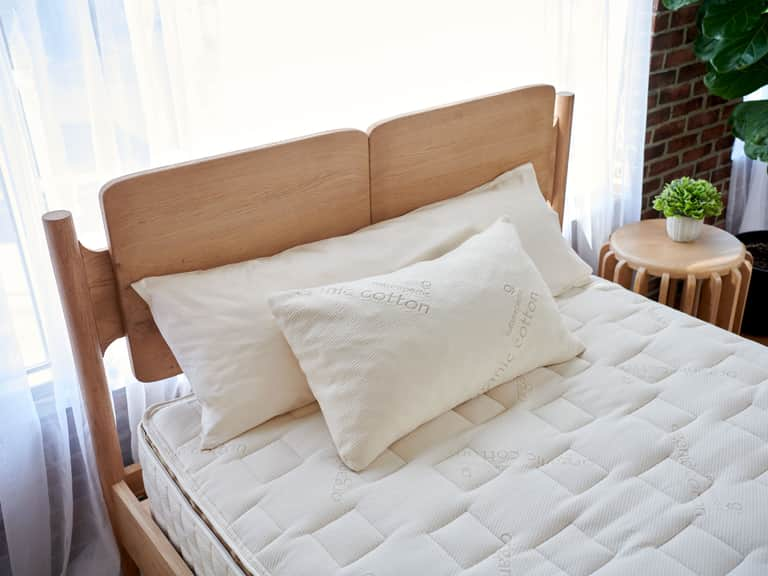
Latex bedding materials offer natural elasticity, resilience, and breathability, supporting consistent spinal alignment and pressure distribution. Organic latex is often derived from sustainable sources and processed to minimize chemical additives, contributing to a healthier sleep environment. This category highlights latex products designed for durability, hypoallergenic properties, and moisture management that benefits various sleep positions.
Key features of latex products include buoyant support, responsiveness to movement, and excellent airflow that helps regulate temperature throughout the night. Natural latex tends to resist dust mites and mold, making it a suitable choice for sensitive sleepers. Understanding firmness options, talalay versus dunlop processing, and layering helps in selecting appropriate comfort levels.
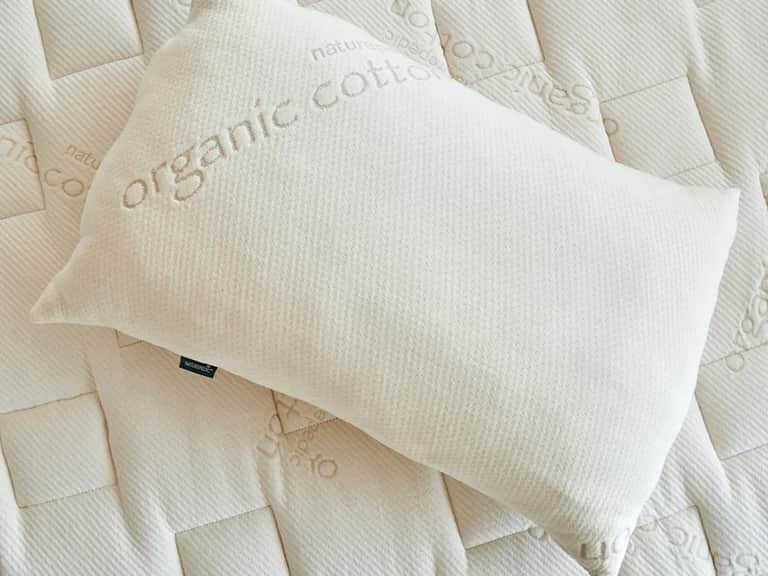
Within this category, notable items include the Naturepedic Solid Organic Latex Pillow, which emphasizes chemical-free materials and firm yet plush support for neck alignment. The Naturepedic Organic Adjustable Latex Pillow offers customizable height, promoting ergonomic head and neck posture. Both options illustrate latex’s adaptability to individual comfort needs.
Memory foam pillows, sheets, and organic mattresses can complement latex pillows by providing complementary support and temperature regulation. While latex inherently breathes well, pillow designs may incorporate ventilation channels and shredded or solid cores to balance softness with stability. Understanding pillow loft, fill density, and cover fabrics informs better sleep ergonomics.
Overall, latex-based bedding emphasizes natural materials, durability, and hypoallergenic properties that support healthy sleep environments. By examining product features such as latex source, processing method, and adjustability, sleep surfaces can be optimized for comfort, back and joint support, and long-term use. Keywords to consider include bedding, pillows, memory foam pillows, sheets, and organic mattresses.
 Bedding