A Practical Guide to Mattress Materials: What Really Matters for Sleep Quality
Explore the core mattress materials and how they influence comfort, durability, and temperature regulation. This guide is crafted for readers who crave evidence-based insights without the friction of sales pitches, helping you evaluate options through real-world performance and transparent criteria.
In a landscape crowded with marketing jargon and alluring claims, understanding the concrete properties of mattress materials becomes a survival skill. The dominant triad—memory foam, latex, and innerspring—extends into hybrids, each bringing a distinct texture, resilience, and thermal profile. The aim here is neither to proscribe nor to idolize a material, but to illuminate the practical implications of density, firmness, airflow, and longevity. Think of it as a field guide to the sleeping architecture that shapes your nights and, by extension, your days.
To ground this exploration, we’ll introduce three key figures from different epochs who, in their own ways, helped shape how we think about sleep, comfort, and the built environment. These portraits will thread through our discussion, providing a rhetorical counterpoint to the abstractions of spec sheets.
1) The Three Core Materials and What They Do
Memory foam, latex, and conventional innerspring systems each claim a unique set of strengths. When you compare mattresses, you’re really comparing the behavior of the underlying materials under load: how they deform, how they recover, how long they hold up, and how heat moves through them.
- A viscoelastic polymer that softens with heat and pressure. Its signature is contouring support, which can dramatically improve pressure relief for side sleepers or those with certain back concerns. Density matters: higher density typically translates to slower recovery time, better durability, and more pronounced motion isolation, at the cost of initial firmness and potential heat retention.
- Latex (natural or synthetic): Known for responsiveness and resilience. Natural latex often features better breathability and a quicker recovery than many memory foams, delivering a “futon-like” bounce with supportive lift. It generally shines in durability and temperature regulation, though the feel varies with whether the latex is Dunlop or Talalay processed.
- Innerspring foundations: The classic coil system provides essential support with varying firmness profiles depending on coil gauge, count, and design. The comfort layers above the coils—whether foam, latex, or other materials—determine the overall feel. Coiled architectures can range from perimetral edge support to zoned coils that better align with torso and hips.
Beyond these core materials, hybrids blend the properties of multiple layers to balance contouring, bounce, and cooling. A high-quality hybrid might pair memory foam or latex with a coil core and a breathable cover to achieve a more even temperature profile and consistent support across movements.
2) The Real-World Criteria: Temperature Regulation, Durability, and Maintenance
Product specifications tell only part of the story. Real-world performance hinges on how materials behave under different sleeping styles, body weights, and room environments. To separate marketing fluff from practical value, consider these criteria:
- Temperature regulation: Look for open-cell constructions, breathable covers, or natural materials that facilitate airflow. Latex’s breathability is often a standout feature, while memory foam can incorporate ventilation channels or gel infusions to mitigate heat retention.
- Durability and feel longevity: Density in memory foam and the natural resilience of latex often correlate with longer wear without sagging. Coil systems should be assessed for coil count, gauge, and the pattern of support (e.g., conical, zoned, or pocketed coils) to estimate how well the mattress maintains alignment over time.
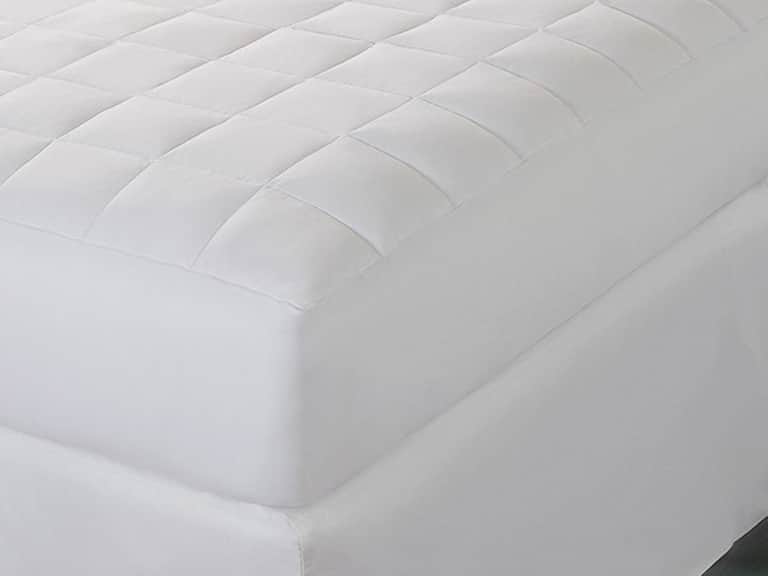
- Maintenance and care: Consider the practicality of rotating, flipping, cleaning, and the presence of removable covers. Some materials tolerate routine maintenance better than others, and encasements or protective covers can extend life by reducing micro-tears and exposure to body oils and sweat.
- Allergies and sensitivities: Natural materials like organic cotton, natural latex, and wool can offer hypoallergenic properties or lower emissions of VOCs, contributing to indoor air quality and a perceived serenity in the sleep chamber.
- Warranty and trial periods: A robust warranty and a reasonable trial period provide a safety net as you evaluate long-term comfort and support. The real value is not just the label on the warranty, but what it covers and for how long.
In this sense, the buying decision becomes a methodological exercise: rate the materials against your own sleep style, position preferences, and environment, then triangulate with a trusted, transparent methodology.
3) Three Timelines, Three Perspectives: Voices from Distinct Eras
To add texture to our analysis, here are three key individuals—each a touchstone from a different time period—whose ideas illuminate how we think about sleep, comfort, and the structures we inhabit:
- Mid-20th Century: Charles and Ray Eames—The design duo who reframed everyday furniture as sculptural utility. Their work on ergonomic, human-centered seating informs how we think about support and posture in the bedchamber. Their approach to embracing form that serves function speaks to the essential balance a mattress should strike between comfort and posture support.
- Late 20th Century: Donald Norman—A cognitive scientist and design critic who championed user-centered design and intuitive experiences. Norman’s insistence on clarity, usability, and transparent feedback helps us demand honesty in mattress labeling, material claims, and testing outcomes. His insistence on "affordances" translates neatly to the way a mattress should communicate its own support and feel without needing a training manual.
- Early 21st Century: Dr. Matthew Walker—A sleep scientist whose work emphasizes the physiology of sleep and the environment’s role in sleep quality. Walker’s emphasis on circadian rhythms, temperature, and sleep architecture anchors our discussion in physiology, reminding readers that mattress choice is inseparable from the sleep environment and lifestyle patterns that govern rest.
Their ideas—balanced design, human-centered clarity, and sleep science—provide a scaffolding for the practical, neutral, and evidence-based approach BedNMattress aims to embody. In the end, the mattress is not merely a surface, but a steward of the night’s most intimate functions: restoration, resilience, and the quiet discipline of turning off the lights and letting the body settle.
4) A Product Spotlight: Royal-Pedic Natural Cotton Mattress with Wool Wrap
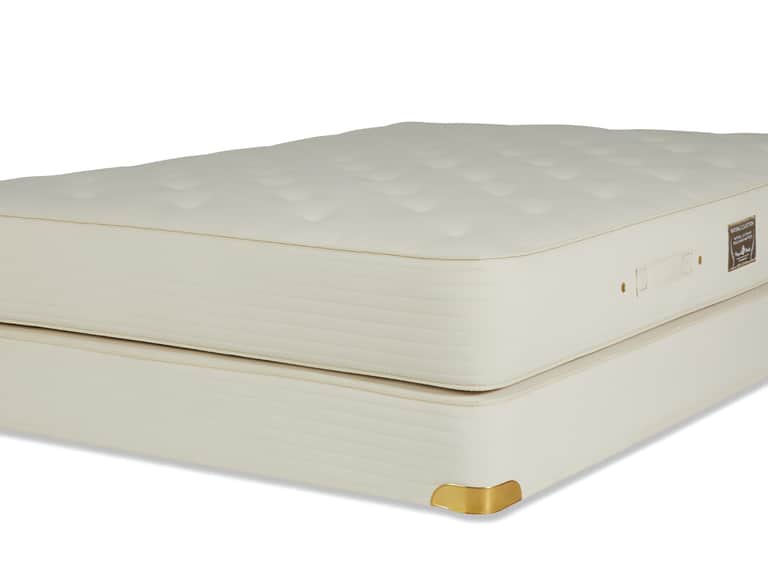
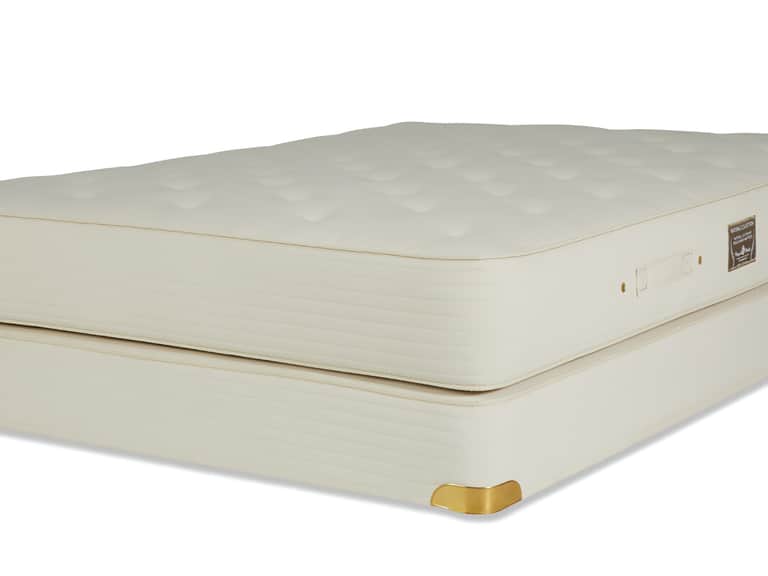
Within the spectrum of options, a thoughtfully designed innerspring with natural materials offers a compelling example of bridging comfort, support, and non-toxicity. The Royal-Pedic Natural Cotton Mattress with Wool Wrap embodies the virtues of a traditional innerspring with modern sensibilities about materials and allergen considerations.
This model is characterized by a Swiss-inspired, double heat-tempered Royal-Flex coil system designed to deliver substantial torso support without sacrificing overall balance. The 3-inch wool wrap provides a natural, breathable layer that adds softness while contributing to flame retardancy in a chemical-free manner. The outer fabrics—premium long-staple cotton and peruvian cotton tacking—signal a commitment to durability and tactile quality that is felt as you lie down.
In the spirit of our independent, information-focused approach, this spotlight is not a sales pitch but a case study in what a high-quality innerspring with natural materials can offer. It demonstrates how a well-conceived core and a carefully chosen comfort layer can align with the goals of durability, comfort, and non-toxicity that undergird a responsible bedbuying guide.
Key visual cue: The model’s architecture prioritizes torso support and a balanced distribution of pressure, while keeping a traditional feel that many sleepers associate with lasting value.
Note: While this article favors an informational and neutral stance, readers should consult product specifications directly and consider personal testing when possible. For those who want to compare materials, the Royal-Pedic approach offers a tangible counterpoint to more memory foam or latex–centric designs, reminding us that good sleep can come from a spectrum of material choices.
5) What This Means for Your Buying Journey
Your buying journey should be a careful choreography of inquiry, testing, and clarity. When evaluating mattress options, prioritize the criteria that matter most to sleep quality: support alignment, temperature comfort, long-term durability, and the technical honesty of product claims. Our goal is to help you move from “feels great in the showroom” to “fits perfectly in the bedroom for years to come.”
In practical terms, adopt a framework for comparison:
- Define your sleep style and position: back, side, stomach, or a combination. The material you choose should accommodate your primary sleeping posture without compromising spinal alignment.
- Identify the core feel you want: contouring pressure relief, buoyant response, or a balanced blend. This feels is often a function of the layers above the core (foam, latex, springs) and how they interact with your body over time.
- Assess cooling needs: consider materials with breathable architectures, surface fabrics, and ventilation features that align with your room climate and personal heat sensitivity.
- Understand care requirements: whether a cover is removable, easy to launder, or requires specialized maintenance for longevity.
- Clarify warranties and trials: aim for transparent coverage and a realistic window to experience long-term comfort.
With these principles in hand, BedNMattress positions itself as a neutral guide—an information hub designed to illuminate the practicalities of bed and mattress selection, rather than to shepherd readers toward any particular retailer or product.
6) Glossary of Terms and a Quick Reference Toolkit
To empower readers further, a concise glossary and downloadable decision trees can accompany the articles. Terms to know include: density, indentation force deflection (IFD), indentation load deflection, firmness scale (1–10 in most consumer contexts), open-cell vs. closed-cell structures, Dunlop vs. Talalay processing for latex, and edge support dynamics for coil systems.
A printable decision tree might guide you through questions about your sleep position, temperature preferences, and budget—culminating in a recommended material profile and a list of non-commercial sources for further reading. The emphasis remains on clarity, transparency, and practical utility.
A Note on Imagery and Visuals
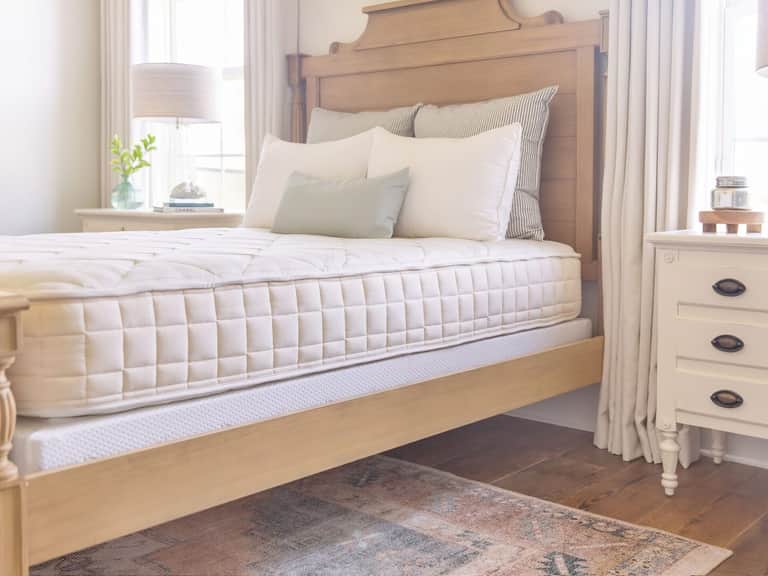
In keeping with the editorial restraint of this piece, the article favors descriptive clarity over visual spectacle. Where images are displayed, they serve to contextualize the product discussion without substituting for narrative depth. The selected Royal-Pedic mattress example demonstrates how high-quality materials translate into tangible sleep benefits.
Accessibility and Readability
The article adheres to accessible typography and structure, with headings, sections, and lists designed to be navigable by screen readers. Clear subheads and concise bullet points are used to make the content approachable for a broad audience while maintaining editorial rigor.
Published in the spirit of a practical, neutral guide, this article aims to inform readers about mattress materials without promotional bias. It is an invitation to readers to engage critically with product specifications and to anchor their decisions in sleep science, ergonomics, and long-term comfort.